Wondering whether a condo or single-family home makes more sense in Brookline? You are not alone. In a town where space is limited, prices are high, and daily convenience can vary block by block, the right choice often comes down to how you want to live as much as what you want to spend. This guide will help you compare cost, lifestyle, upkeep, and location so you can make a more confident Brookline decision. Let’s dive in.
Brookline Is a Small, High-Value Market
Brookline is a compact community of roughly six square miles about four miles from downtown Boston. It is surrounded on three sides by Boston and offers strong public transportation, established commercial areas, and a limited amount of commercially zoned land.
That limited commercial footprint helps explain why homes near Brookline’s village centers often command a premium. When so much day-to-day convenience is concentrated in a few core areas, location can shape both price and lifestyle in a big way.
Price Differences Between Condos and Single-Family Homes
If budget is your starting point, the current market gap is significant. According to the Massachusetts Association of Realtors’ April 2026 Brookline report, the year-to-date median sale price was $1.20 million for condos and $2.365 million for single-family homes.
Inventory also differs by property type. That same report showed 108 condos for sale versus 58 single-family homes, which means condo buyers may see more options at a given time. In a smaller market like Brookline, though, short-term activity can look more dramatic than it really is, so it helps to look at the broader picture.
Current listing snapshots reinforce the price spread. In Brookline Village, condos shown ranged from about $489,000 to $4.25 million, while single-family homes shown ranged from roughly $1.35 million to $7.5 million. In Washington Square, condo listings shown ranged from about $459,888 to $2.8 million.
Village Centers Shape Pricing
Brookline’s village centers matter because they concentrate much of the town’s shopping, services, and dining. Town reporting from 2024 showed 212 storefronts in Coolidge Corner, 204 in Brookline Village, and 67 in Washington Square.
Pricing tends to reflect that convenience. Realtor.com’s April 2026 neighborhood pages showed median listing prices around $1.549 million in Coolidge Corner, $1.229 million in Washington Square, and $1.1125 million in Brookline Village. In that snapshot, Coolidge Corner carried the strongest premium among those core areas.
If your goal is to be close to errands, restaurants, and transit, these village centers deserve close attention. If you are more focused on space and separation, you may find yourself looking farther from the busiest corridors.
Why a Condo May Be the Better Fit
A condo can be a practical option if you want a lower entry point into Brookline or prefer a more simplified ownership structure. In a town where single-family prices often start much higher, condos can offer access to Brookline living at a lower purchase price.
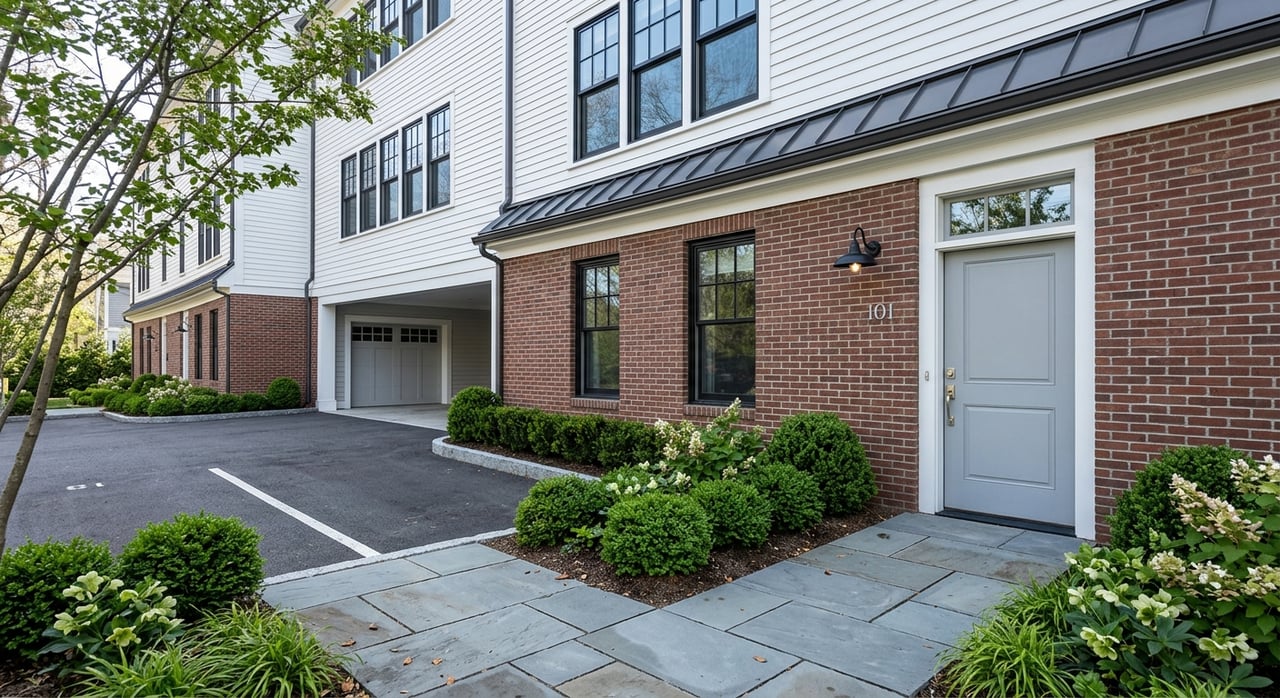
Condos may also work well if you want to stay close to the village centers. Near corridors like Beacon Street, Harvard Street, Tappan Street, and Washington Street, condo living often lines up with a more car-light lifestyle and shorter trips for daily needs.
That said, condo ownership comes with shared financial responsibilities. Under Massachusetts condo law, unit owners own their units privately, while common areas and common expenses are shared through the association.
Condo Costs to Review Carefully
If you are comparing monthly costs, look beyond the mortgage payment. Massachusetts guidance notes that condo fees are typically paid monthly, and associations may also levy special assessments for shared expenses.
State law requires common expenses to be budgeted at least annually and requires replacement reserves. That is helpful, but it does not mean every association will feel the same financially. Before you buy, review the budget, reserve funding, and any history of major projects or assessments.
Insurance also works differently with condos. The association usually carries the master policy for the building and common areas, while you would still need coverage for what that master policy does not cover inside your unit.
Why a Single-Family Home May Be the Better Fit
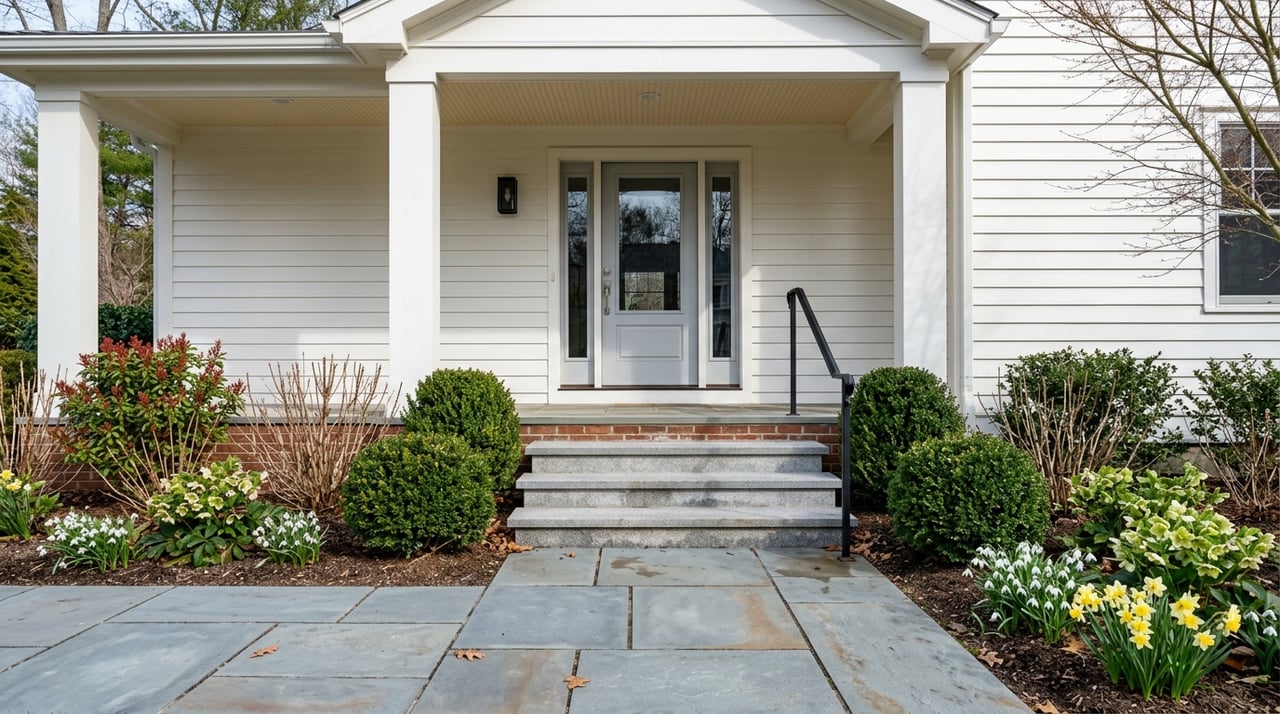
If privacy, outdoor space, and control over the property are your top priorities, a single-family home is often the better match. In Brookline, current single-family listings show lot sizes ranging roughly from 0.24 acre to 1.24 acres, and garage references appear frequently in listings.
That extra separation can be valuable if you want more room outdoors, fewer shared walls, or more autonomy over how the property is maintained and used. For many buyers, that independence is the central reason to choose a single-family home over a condo.
The tradeoff is cost, both upfront and ongoing. Single-family homes generally require a larger purchase budget in Brookline, and you are directly responsible for maintenance, repairs, utilities, insurance, and exterior upkeep.
Single-Family Costs Are More Direct
Some buyers prefer the control that comes with a single-family property, even if it means more responsibility. There is no HOA budget to review in the same way, but there is also no shared structure for roof replacement, exterior repairs, or landscape care.
That means your monthly cost may feel less packaged and more variable over time. When comparing a house to a condo, it is smart to model not just the price, but also likely repair cycles, insurance needs, and ongoing maintenance.
Property Taxes in Brookline
Brookline’s FY2026 residential tax rate is $10.24 per $1,000 of assessed value. Qualified owner-occupants can also receive a residential exemption of $354,974, which the Town says is worth $3,634.93 annually.
For owner-occupied properties, both condos and single-family homes are taxed at the residential rate. In practical terms, that means the tax difference is usually driven more by assessed value than by property type alone.
Parking Can Influence Your Decision
Parking is a major Brookline-specific factor, and it should be part of your comparison early in the process. The Town says daytime street parking is limited to two hours and overnight street parking to one hour unless a resident or guest permit applies.
Brookline also uses three-hour on-street meters in Brookline Village, Coolidge Corner, Washington Square, JFK Crossing, and St. Mary’s. Public lots are maintained in Brookline Village, Coolidge Corner, JFK Crossing, and nearby areas.
This is one reason parking should not be treated as a small detail. If you need a deeded parking space or prefer the convenience of a garage, that could push you toward certain condos or toward single-family homes with off-street parking.
Lifestyle Questions Matter Most
The best Brookline choice often comes down to your daily routine. If you care most about a lower entry price and easy access to village centers, a condo may check more boxes.
If you care most about privacy, outdoor space, and autonomy, a single-family home may be worth the higher cost. Neither option is universally better. The right fit depends on what you want your day-to-day life to look like.
Questions to Ask Before You Decide
A few practical questions can quickly narrow your search:
- Is your bigger concern the purchase price or the monthly carrying cost?
- Do you need deeded parking, or can you live with permits and public lots?
- How important are privacy and outdoor space?
- Are you comfortable reviewing HOA budgets, reserves, and possible assessments?
- Do you want to be closest to Coolidge Corner, Brookline Village, or Washington Square for errands and transit?
These questions can help you move from a broad idea of “condo versus house” to a more useful conversation about how you actually want to live in Brookline.
A Smart Brookline Decision Starts With Context
Brookline is not a one-size-fits-all market. Prices vary meaningfully by property type, village center, and lifestyle tradeoff, and even small differences in parking, upkeep, or proximity can have a big effect on your experience after closing.
When you look carefully at purchase price, monthly costs, privacy, and convenience together, the right path usually becomes much clearer. If you want experienced, high-touch guidance as you compare Brookline condos and single-family homes, the Kennedy Lynch Team can help you evaluate the options with a local, data-driven lens.
FAQs
What is the price difference between condos and single-family homes in Brookline?
- The Massachusetts Association of Realtors’ April 2026 Brookline report showed a year-to-date median sale price of $1.20 million for condos and $2.365 million for single-family homes.
Are condos in Brookline usually closer to shops and restaurants?
- Many condos are located near key village center corridors, where daily errands, dining, and transit access are more concentrated.
What condo costs should buyers review in Brookline?
- You should review monthly condo fees, association budgets, reserve funding, insurance responsibilities, and the possibility of special assessments.
How do single-family home costs differ in Brookline?
- With a single-family home, you are typically responsible for maintenance, repairs, utilities, insurance, and exterior upkeep directly rather than sharing many of those costs through an association.
How does parking work for Brookline homebuyers?
- Brookline limits daytime street parking to two hours and overnight street parking to one hour unless a resident or guest permit applies, so off-street parking can be an important factor when choosing a property.
Which Brookline village centers should buyers compare first?
- Coolidge Corner, Brookline Village, and Washington Square are useful starting points because they concentrate many of Brookline’s storefronts, services, and parking resources.