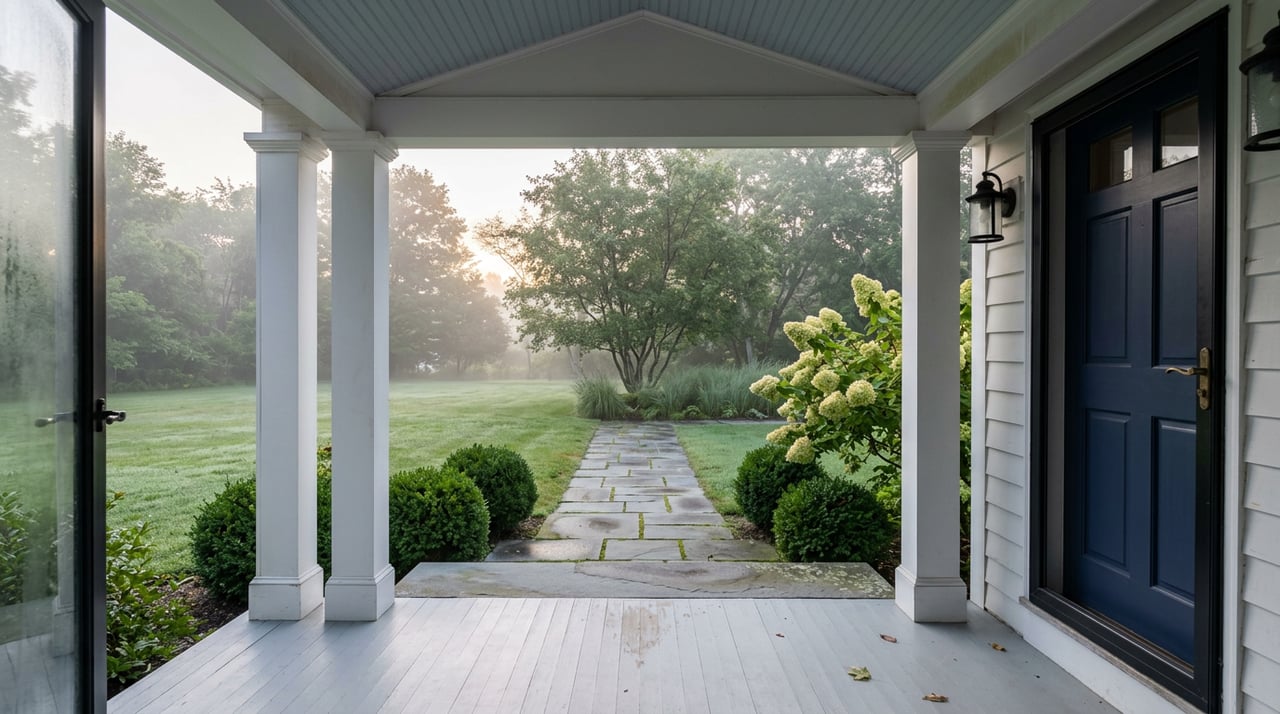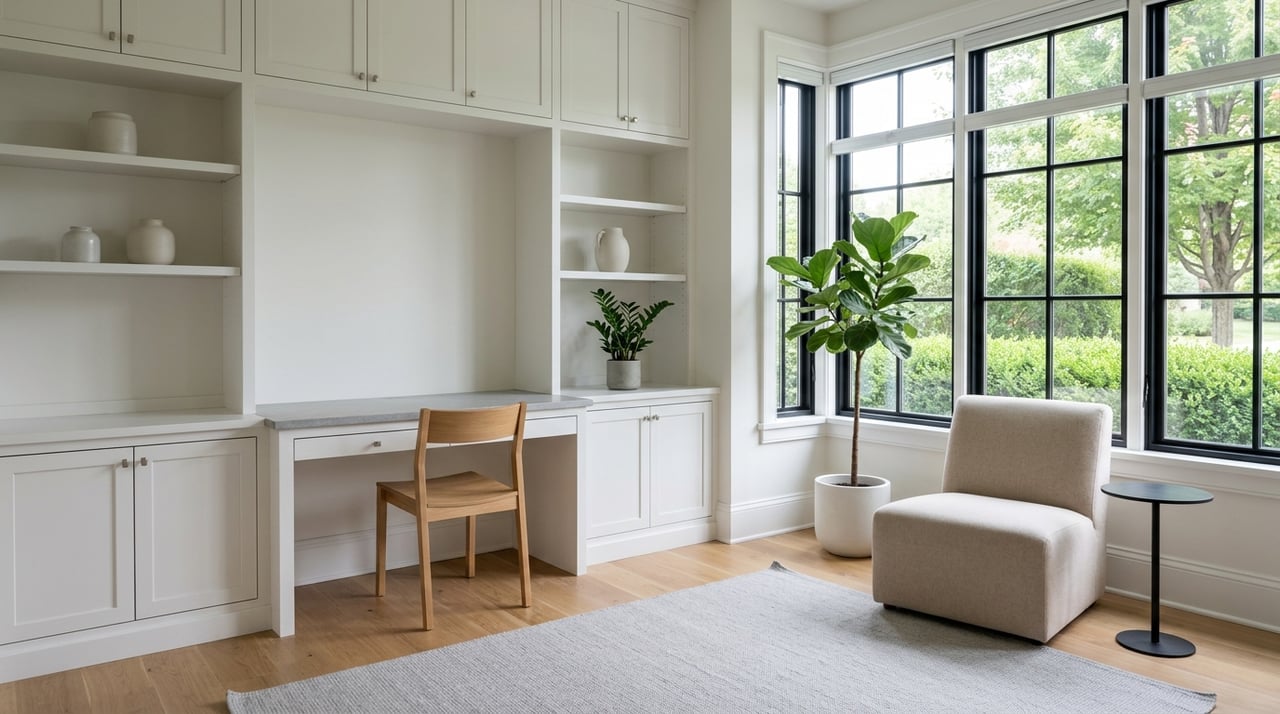
Moving to Newton from another city or another country can feel like a lot to manage, especially when you are trying to buy a home from afar. The challenge is not just finding a beautiful property. It is understanding how Newton’s village-by-village layout, transit options, school assignments, and closing logistics fit your daily life. If you are planning a mostly remote move, this guide will help you focus on what matters most and move forward with more confidence. Let’s dive in.
Why Newton Requires a Local Lens
Newton is not built around one central downtown. The city is organized around 13 distinct village centers, many of which grew around rail stops, rivers, mills, and community institutions. That means your experience of living in Newton can vary quite a bit depending on which village you choose.
For a remote buyer, that difference matters right away. The right fit is often less about Newton as a whole and more about how one specific village supports your commute, daily errands, and lifestyle. A home that looks perfect online may feel less practical once you consider where you will park, how you will get to work, or what your regular routine will actually look like.
Village differences matter
Newton identifies places like Newton Centre, Newtonville, Nonantum, and West Newton as village centers with shopping, dining, and entertainment. Newton Corner is categorized differently as a gateway center, with professional and medical offices and close access to major transportation hubs. Those distinctions can shape how convenient a location feels once you live there.
If you are relocating for work, especially in medicine, finance, education, or tech, this is where local guidance becomes valuable. Two homes with similar price points can offer very different day-to-day convenience depending on their village setting. That is why a remote search should start with neighborhood fit, not just square footage.
Start With a Village-First Search
When you are buying from a distance, it helps to narrow your search before you start touring homes. A strong remote strategy begins with a short list of villages that align with your priorities. From there, you can compare homes within the areas that make the most sense for you.
A few questions can help shape that short list:
- How often will you commute, and by what route?
- Do you want access to rail service or bus routes?
- How important is walkability for errands and dining?
- Are you looking for a single-family home, condo, or new construction?
- Do you need to confirm a specific school assignment by address?
Compare actual transit access
Transit access in Newton varies by village. The city lists Green Line stops at Riverside, Woodland, Waban, Eliot, Newton Highlands, Newton Centre, and Chestnut Hill. It also lists Worcester/Framingham commuter rail stops at Auburndale, West Newton, and Newtonville, along with multiple bus routes across the city.
That makes commute testing a key part of your home search. Instead of asking whether a home is “close to Boston,” it is more useful to ask how you would actually get where you need to go on a typical weekday. For remote buyers, that practical question often saves time and narrows options quickly.
Use Virtual Tours the Right Way
Virtual tours are a powerful tool, but they work best as a first filter rather than a final decision-maker. They can help you understand room flow, layout, and whether the home seems to match your needs. They can also help you decide which listings deserve a closer look.
Floor plans and live video walkthroughs are especially useful when you are relocating. Together, they can show how rooms connect, whether furniture will fit, and how the home functions beyond the listing photos. That extra context is often what helps a remote buyer move from broad interest to a serious shortlist.
Ask for more than the highlight reel
A smart remote tour should go beyond the main living spaces. You will want a clear look at the street, parking setup, front entry, basement or utility areas, storage, and exterior condition. In Newton, where winter weather and commuting patterns can affect daily life, those details are not minor.
It is also wise to ask about anything that might not stand out in polished marketing materials. For example, you may want a closer look at driveway access, grade changes around the lot, or how a condo building’s entry and common areas feel in real time. A detailed tour gives you a more complete picture before you book travel or prepare an offer.
Budget Beyond the Purchase Price
When you are buying remotely, it is easy to focus on list price and monthly mortgage estimates. In Newton, it is also important to account for property taxes and any factors that could affect future ownership costs. This helps you build a budget that feels realistic from day one.
For FY2026, Newton lists a residential property tax rate of $9.69 per $1,000 of assessed value. The city also lists a median assessed single-family value of $1,503,500 and a median assessed condominium value of $813,500. Using those assessed values, that works out to roughly $14,569 per year for a median assessed single-family home and about $7,883 per year for a median assessed condo.
Renovation history can affect costs
If you are considering new construction or a substantially renovated home, ask more questions early. Newton says a supplemental tax bill can be issued when a project receives an occupancy permit and the increase in building value is more than 50%. For remote buyers, that makes permit history and renovation scope important parts of due diligence.
This is particularly relevant if you are comparing updated homes with older properties that may need work later. A polished finish is appealing, but it is still worth understanding what was done, when it was done, and whether value changes could affect future tax bills.
Verify Schools by Address
If school assignment is part of your move, do not rely on general neighborhood assumptions. Newton Public Schools has 15 elementary schools, 4 middle schools, 2 high schools, and 2 alternative high school programs. The district uses assigned school zones and buffer zones, and placement can depend on the specific address.
Newton Public Schools provides a Find Your School tool for address-based verification. The district also notes that enrollment assistance is available in multiple world languages, which can be helpful for families relocating from abroad or navigating a move on a tight timeline.
Confirm before you commit
Because buffer-zone assignments may change based on district decisions, it is smart to verify school placement before you finalize a purchase. This is one of the clearest examples of why local detail matters in a remote move. A home can check every box on paper, but address-level confirmation is still essential.
Keeping that step early in the process helps you avoid surprises and make a decision with more certainty.
Understand Massachusetts Closing Logistics
A mostly remote purchase in Newton is possible, but you should plan around Massachusetts-specific closing details. Timing matters more when you are in another state or another country. A clear roadmap can help reduce stress as you move toward closing day.
Buyers should receive the Closing Disclosure at least three business days before closing. It is also wise to ask for the rest of the closing packet in advance, including documents like the promissory note, mortgage, and deed. If you are managing time zones or travel, this early review window gives you time to ask questions and correct issues before signatures are due.
Remote notarization is still limited
Massachusetts has moved toward remote online notarization, but the Secretary of the Commonwealth says the required training and notification form are not yet available, and notaries should not use online remote platforms at this time. In practice, that means some signature steps may still require in-person notarization or another locally approved process.
If you are relocating internationally, you may also need to plan for apostilles or certifications for certain documents used abroad. Massachusetts says certifications are issued only for documents with original signatures from valid Massachusetts officials. That can be an important detail if you expect your closing documents or power of attorney paperwork to be used outside the United States.
Do Extra Due Diligence From Afar
Remote buyers should build more due diligence into the process, not less. A strong offer can still protect you while giving you room to verify the property carefully. That is especially important when you cannot casually revisit the home or neighborhood whenever you want.
Financing and inspection contingencies are often especially important in a remote purchase. They give you a path to step back if financing does not come through or if the inspection uncovers serious issues. In a move with many moving parts, those protections can offer meaningful peace of mind.
Review zoning and records early
Newton’s planning department provides online zoning maps, an assessors property database, and a portal for planning applications. These tools can help you review zoning, permit history, and whether a property sits in an overlay or review area before you finalize an offer.
This is particularly important if you are thinking about future renovations. Newton’s planning page lists historic district commissions for Auburndale, Chestnut Hill, Newton Upper Falls, and Newtonville. The city also adopted its Village Center Overlay District in December 2023, which can affect housing and commercial opportunities near transit, amenities, and gathering spaces.
Title details still matter
Massachusetts real estate records can be accessed remotely, and buyers can review deeds and property record cards online. The state still distinguishes between recorded land and registered land, so it is helpful to identify that early. While remote title review is feasible, this is another area where a well-coordinated local team can help keep the process smooth.
Plan One Focused Visit If You Can
Even in a mostly remote search, one efficient trip can make a big difference. For many buyers, the best approach is to do the early sorting remotely, then visit Newton for finalist homes and a broader neighborhood review. That lets you use your time on the ground more strategically.
Newton offers self-guided walking tours of individual villages, which can be a practical way to compare areas during a short trip. Instead of treating each showing as an isolated event, you can use that visit to understand how different villages feel in person and how they support your routine.
If travel is limited, local reporting matters more
If you cannot visit more than once, or cannot visit at all before closing, detailed on-the-ground reporting becomes even more important. You will want clear feedback not just on the home itself, but also on parking patterns, street feel, transit convenience, and practical day-to-day details.
That kind of local translation is often what helps remote buyers make a confident decision in Newton. Since the city is structured around villages with meaningful differences, broad impressions are usually not enough.
A Remote Move Works Best With Strong Coordination
Buying a home in Newton from afar can absolutely be done, but it works best when the process is organized around local realities. Your search should account for village differences, transit options, address-based school assignments, realistic property tax planning, and Massachusetts closing logistics. When those pieces are handled early, the process becomes much more manageable.
For relocation buyers, especially busy executives, medical professionals, condo buyers, and international clients, the goal is not just to buy remotely. It is to buy thoughtfully, with the right information at the right time. If you want experienced, high-touch guidance as you plan your move, Kennedy Lynch Team is here to help.
FAQs
Can a home purchase in Newton be handled mostly remotely?
- Yes. A Newton purchase can be handled largely remotely when you use virtual tours, review documents early, and plan ahead for Massachusetts notarization requirements.
What should remote buyers focus on first in Newton?
- Remote buyers should usually start by narrowing the search by village, commute pattern, transit access, budget, and address-specific school assignment needs.
How important are village differences in Newton home buying?
- Village differences are very important because Newton is organized around distinct village centers, and each area can offer a different mix of transit access, shopping, dining, and daily convenience.
How can buyers verify school assignment in Newton?
- Buyers can verify school assignment by using Newton Public Schools’ address-based school lookup tool, since the district uses assigned school zones and buffer zones.
What property tax details should buyers know in Newton?
- Newton lists a FY2026 residential tax rate of $9.69 per $1,000 of assessed value, and buyers should remember that assessed value is not the same as list price.
What closing issue should remote buyers plan for in Massachusetts?
- Remote buyers should plan for the possibility that some documents may still require in-person notarization or another approved closing workflow, since online remote notarization is not yet fully operational in Massachusetts.