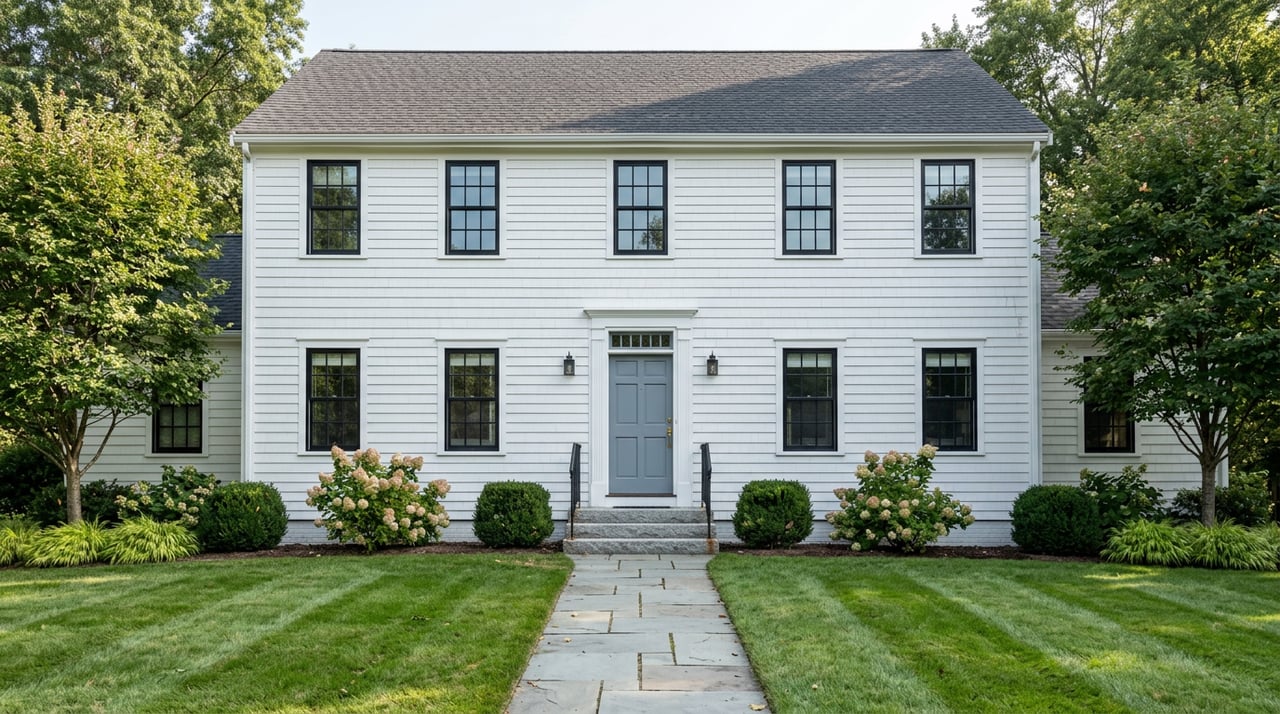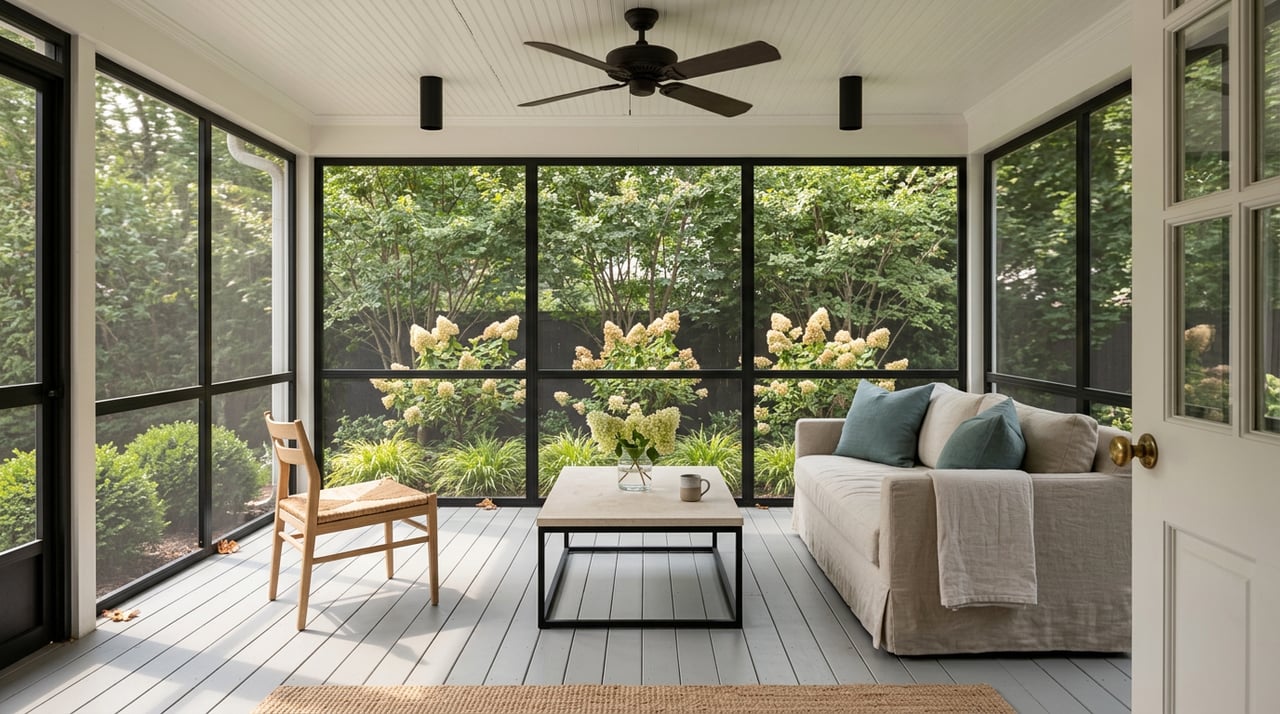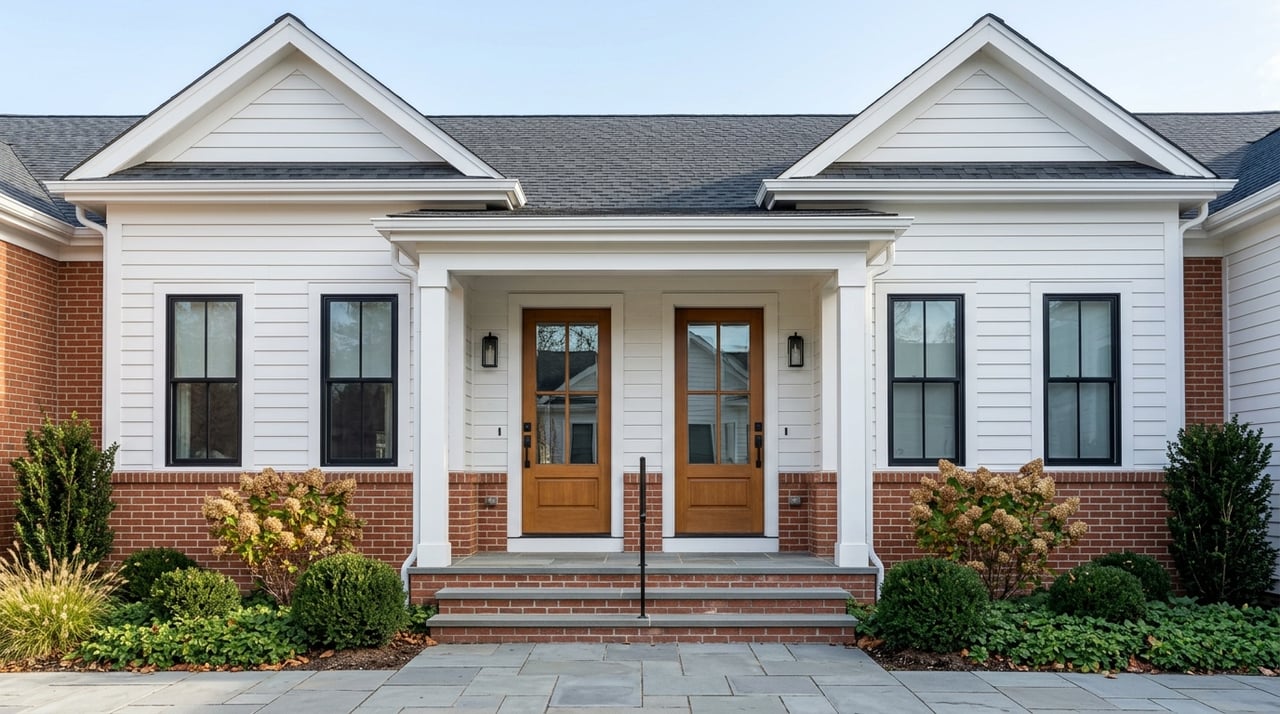
Trying to choose between a condo and a single-family home in Newton? You are not alone. For many buyers, the real question is not just what you can afford today, but which property type will fit your lifestyle, commute, and future plans for years to come. In a city built around village centers rather than one downtown, that choice can look very different from one part of Newton to the next. Let’s dive in.
Newton housing at a glance
Newton offers a broad mix of housing, but single-family homes still make up the largest share of the market. According to a City of Newton housing snapshot, Newton had 33,054 housing units in 2020, including 17,184 single-family homes and 5,235 condominium units. That means single-family homes accounted for about 52% of the housing stock, while condos made up about 16%.
Pricing also shows a clear gap between the two options. The city’s FY2026 classification hearing report lists 2024 median sale prices at $1.75 million for single-family homes and $1.121 million for condominiums. That is a difference of about $629,000, which can have a major impact on your buying power and monthly carrying costs.
Why the choice feels different in Newton
Newton is not organized around one central downtown. Instead, it is a network of 13 villages with commercial areas shaped by rail stops and local centers, as described on the city’s economic development geography page. That layout makes the condo versus single-family decision more tied to lifestyle than in many suburbs.
If you picture yourself walking to shops, restaurants, or transit, a condo or townhome may line up naturally with that goal. If you want more land, more separation from neighbors, or room to adapt the property over time, a single-family home may be the stronger fit. In Newton, the answer often comes down to how you want to live day to day.
Condo living in Newton
Lower exterior upkeep
One of the biggest reasons buyers choose a condo or townhome is simpler maintenance. The Consumer Financial Protection Bureau notes that HOA dues often cover shared expenses like landscaping, driveways, roofs, and other common elements. That can be appealing if you want less hands-on responsibility for exterior work.
In practical terms, that may mean less time spent coordinating snow removal, yard care, or larger exterior repairs. But it does not mean every association works the same way. In Massachusetts, condo governing documents can assign responsibilities differently, so it is important to review those documents closely before you buy.
Transit and village convenience
For many Newton condo buyers, location is part of the value. The city’s public transportation page shows Green Line service at Riverside, Woodland, Waban, Eliot, Newton Highlands, Newton Centre, and Chestnut Hill, plus commuter rail service at Auburndale, West Newton, and Newtonville.
That access can make condo and townhome living especially attractive near village centers. Newton highlights places such as Newton Center, Newtonville, Nonantum, and West Newton as active commercial hubs with shopping, dining, and moderate pedestrian activity on its geography page. If your ideal week includes easy errands and a smoother commute, those areas may deserve extra attention.
A strong fit for long-term ease
Condos are not only for first-time buyers or downsizers. Newton’s age-friendly action plan found that when residents felt they needed to move from a single-family home, many preferred a single-floor condo or apartment with no entry stairs or an elevator. The same plan points to home costs, property taxes, and maintenance as barriers for residents who want to remain in Newton as they age.
That is an important reminder if you are thinking beyond the next few years. A condo may offer a more manageable setup if ease of living matters as much to you as square footage.
Single-family living in Newton
More control and privacy
A single-family home usually gives you more direct control over the property. You decide how to maintain it, how to use the outdoor space, and how to plan future updates. For buyers who want a yard, more storage, or a traditional suburban layout, that flexibility can be a major advantage.
That flexibility also comes with responsibility. Freddie Mac’s home maintenance guidance notes that timely upkeep and repairs help protect a home and can support its value over time. In other words, single-family ownership can offer more freedom, but it also asks more of you.
More space for future changes
For some buyers, the biggest advantage of a single-family home is what it may allow later. Newton’s Accessory Dwelling Unit page states that a single- or two-family home can add one ADU. The city also describes ADUs as one way to diversify housing options and support seniors and households with disabled persons.
If you are thinking ahead about multigenerational living, live-in help, or added flexibility later in life, that can be meaningful. Not every buyer needs this option, but for some households it is a key reason to choose a single-family home over a condo.
The costs are broader than the mortgage
Because Newton uses the same residential tax rate across residential classes, the main monthly cost difference between condos and single-family homes usually comes from price, assessed value, and HOA dues rather than a different tax rate. The city’s FY2026 tax information lists a residential tax rate of $9.73 per $1,000 of value.
For buyers comparing options, that means you should look at the full monthly picture:
- Mortgage payment
- Property taxes
- HOA dues, if any
- Insurance
- Expected maintenance and repair costs
- Parking or garage needs
A lower purchase price does not always mean a lower monthly burden if HOA dues are substantial. At the same time, a single-family home without HOA dues may still cost more month to month because of a higher price point and direct maintenance needs.
How Newton villages shape your decision
Condos often cluster near transit
Newton’s planning framework helps explain why condos and townhomes often appeal to buyers who want convenience. The city’s Village Center Overlay District information says the district is designed to focus housing and commercial opportunities near transit, amenities, and gathering places. Newton also reports full compliance with the MBTA Communities Law as of March 2025.
That planning direction supports what many buyers already see on the ground. If you are drawn to a village-based lifestyle with transit access and nearby services, condos and townhomes are often the most natural match.
Single-family homes often suit a different rhythm
Buyers who prefer more lot space, more separation, or a more traditional house setup often lean toward Newton’s more residential areas. The city’s geography and planning materials support that general pattern, even though every village and block can feel different.
It is also worth noting that transit access does not always replace the need for a car. Newton’s age-friendly plan found that 90% of surveyed older residents still drove themselves as their primary transportation. So even in transit-served locations, parking, driveway setup, and garage access can still matter a lot.
Questions to ask before you choose
Before you decide between a condo and a single-family home in Newton, it helps to get specific about how you live now and how you may want to live later.
Ask yourself:
- Do you want lower exterior maintenance, even if it means HOA dues?
- Is walkability to a village center or transit a top priority?
- How important are yard space, privacy, or storage?
- Would stairs, elevator access, or one-floor living matter over time?
- Do you want future flexibility for an ADU or multigenerational use?
- Are you comfortable managing repairs and seasonal upkeep directly?
- How important are parking and garage access in your target village?
These questions often lead to a clearer answer than price alone.
There is no one-size-fits-all answer
In Newton, condos and single-family homes both serve real long-term needs. A condo or townhome may offer a more convenient, lower-maintenance lifestyle near transit and village amenities. A single-family home may offer more space, more control, and more flexibility for future changes.
The right choice depends on your budget, your routine, and your long-range plans. If you want experienced, local guidance as you weigh neighborhoods, villages, and property types, the Kennedy Lynch Team is here to help you navigate the decision with clarity and confidence.
FAQs
What is the price difference between Newton condos and single-family homes?
- According to the City of Newton’s FY2026 classification hearing report, the 2024 median sale price was $1.121 million for condos and $1.75 million for single-family homes.
What do HOA dues usually cover in a Newton condo?
- The CFPB says HOA dues often cover shared expenses such as landscaping, driveways, roofs, and other community costs, but the exact responsibilities depend on the association’s documents.
Which Newton areas are best for transit-oriented condo buyers?
- Newton’s transit-served village areas include places with Green Line access such as Newton Centre, Newton Highlands, Waban, Eliot, Woodland, Riverside, and Chestnut Hill, plus commuter rail stops in Auburndale, West Newton, and Newtonville.
Can a Newton single-family home offer more future flexibility?
- Yes. Newton states that a single- or two-family home can add one accessory dwelling unit, which may create more options for multigenerational living or changing household needs.
Is a condo always cheaper to own each month in Newton?
- Not always. A condo may have a lower purchase price, but HOA dues can add significantly to monthly costs, while a single-family home may cost more because of its higher price and direct maintenance responsibilities.